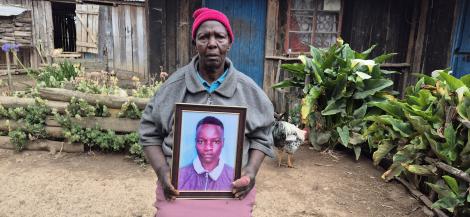
MOMBASA, Kenya - For families whose loved ones have disappeared, the search for answers does not end with a missing-person report. It can stretch for years, leaving families trapped between hope, uncertainty and the demand for justice.
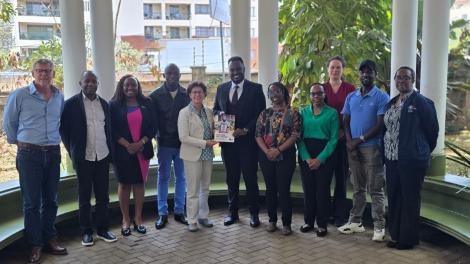
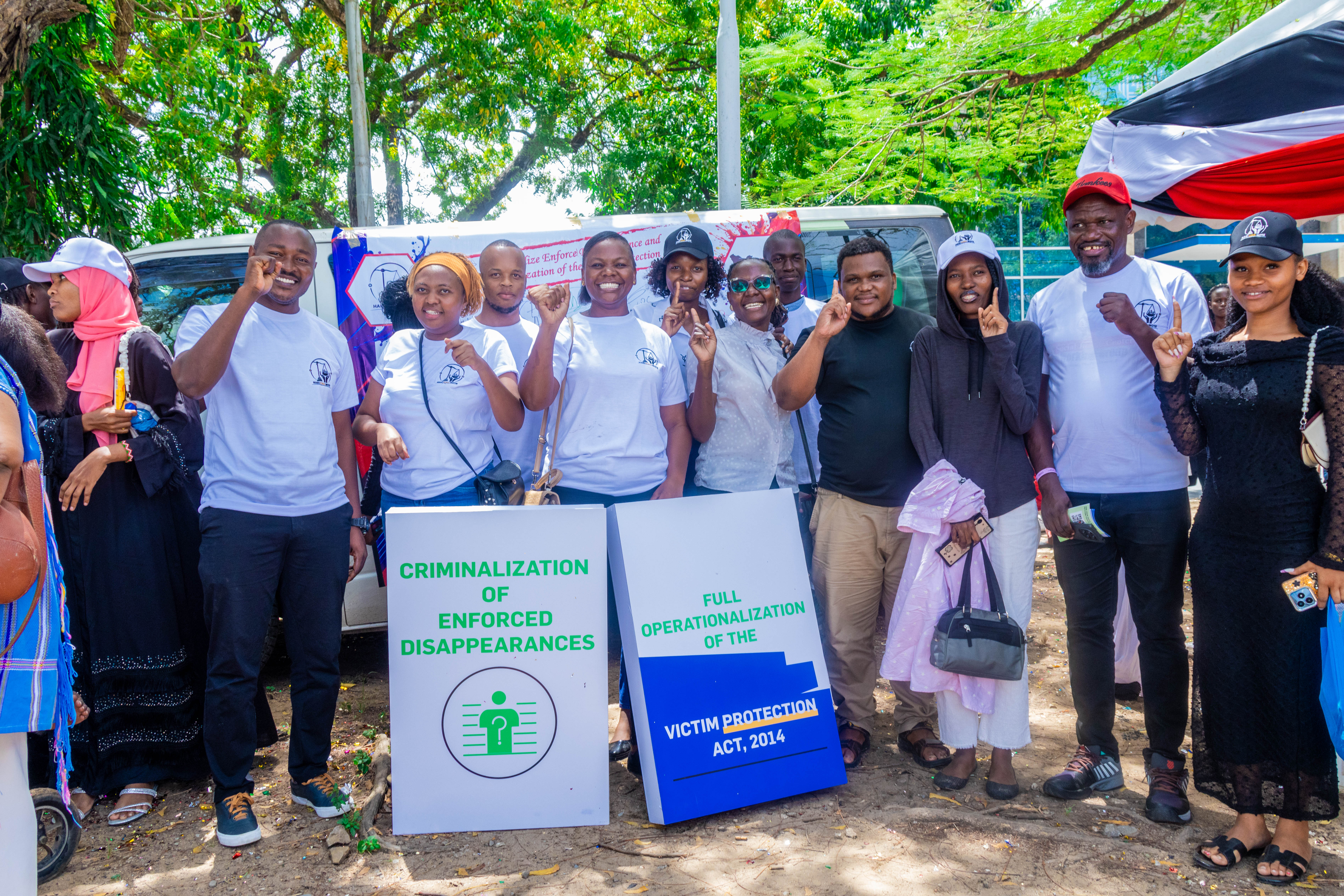
It is this reality that the Missing Voices Coalition placed at the centre of the launch of the Haki Kwa Wote Campaign in Mombasa, bringing together families of victims, survivours, human rights organisations and other actors to renew the call for stronger legal and institutional action against enforced disappearances in Kenya.
The national campaign seeks to ensure that victims and their families are not left without meaningful avenues for truth, justice, accountability and support.
At the heart of the campaign is a call for Kenya to criminalise enforced disappearance through specific legislation, ratify and domesticate the International Convention for the Protection of All Persons from Enforced Disappearance, and fully implement the protections already provided under the Victim Protection Act, 2014.
For Missing Voices, these demands are rooted in the experiences of families who continue to search for relatives while navigating a justice system that does not yet provide a comprehensive legal framework for enforced disappearance.
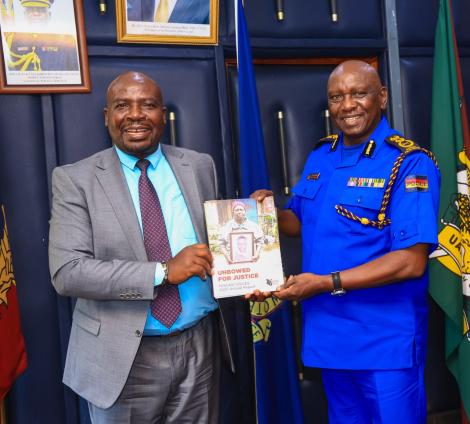
Speaking during the launch, Missing Voices Coalition Chair and International Justice Mission (IJM) Kenya Country Director Vincent Chahale said the campaign would mobilise public and government action towards securing a dedicated law on enforced disappearances.
“The first thing we are seeking is to push the government and Parliament to enact a law on enforced disappearance,” Chahale said.
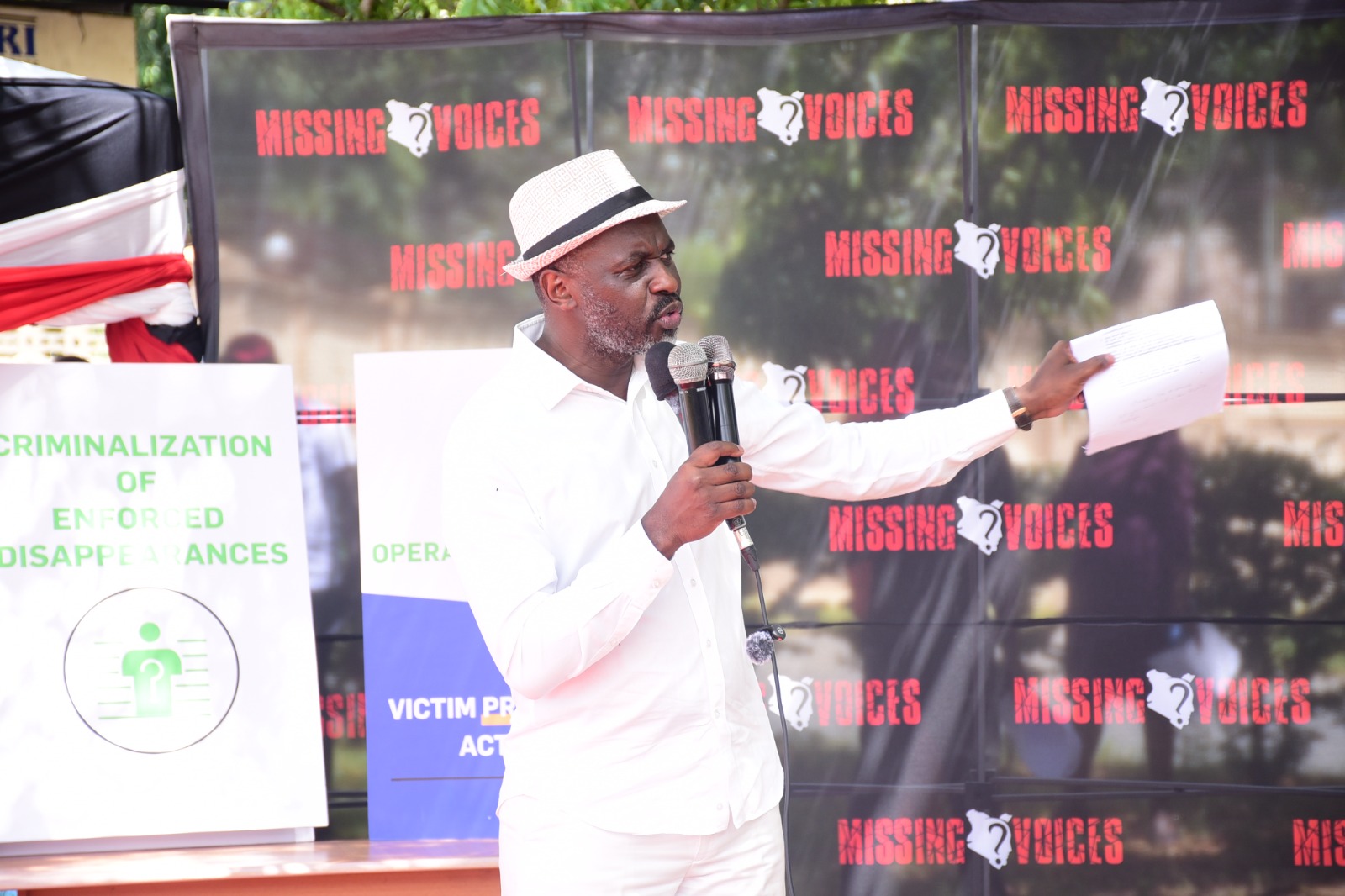
Vincent Chahale - Missing Voices Coalition Chairprson and IJM Kenya Country Director.
He noted that Kenya has continued to record allegations of enforced disappearances, particularly during periods of protests and political tension, despite the absence of a specific offence addressing the practice.
The human cost of these violations was further highlighted by Happy Olal, National Convener of the Social Justice Centres Working Group, who raised the case of the Mathare Four — four men who were allegedly abducted by police from their residence in Mathare.
Olal said the families of the four men were still seeking answers, including information on compensation after mothers of victims heard that 600 families had received compensation payments.
The case, he said, illustrated the uncertainty families continue to face even after years of seeking justice and accountability.
For families, the consequences extend far beyond the initial disappearance. The lack of information about the whereabouts or fate of a loved one can leave relatives struggling to access justice, legal assistance, psychosocial support and other forms of protection.
The Haki Kwa Wote Campaign therefore also seeks to make victim protection more than a provision on paper.
Campaign organisers are calling for the full implementation of the Victim Protection Act, including adequate funding and strengthening of the Victim Protection Board and the operationalisation of the Victim Protection Trust Fund.
The Missing Voices Coalition says these measures are essential in ensuring that families affected by enforced disappearances are supported as they pursue truth and accountability.
The urgency of the campaign is underscored by the continued documentation of disappearances in Kenya.
Data presented at the launch showed that cases have been documented consistently since 2019, with 38 cases recorded that year, 10 in 2020, 36 in 2021, 22 in 2022 and 10 in 2023. The number increased significantly to 55 cases in 2024. Six cases were documented in 2025, while 19 had been recorded between January and August 2026.
The figures, campaign organisers said, represent more than statistics. Behind every case is a person whose whereabouts remain unknown and a family left to confront uncertainty.
That human cost was central to the campaign's launch, which followed the International Day of the Victims of Enforced Disappearances on 30 August.
The commemoration provided an opportunity to place the voices and experiences of affected families at the centre of the national conversation, while highlighting the urgent need for concrete action from the State.
The campaign also comes against the backdrop of allegations of enforced disappearances and abductions reported during periods of public protest, including the Gen Z-led protests.
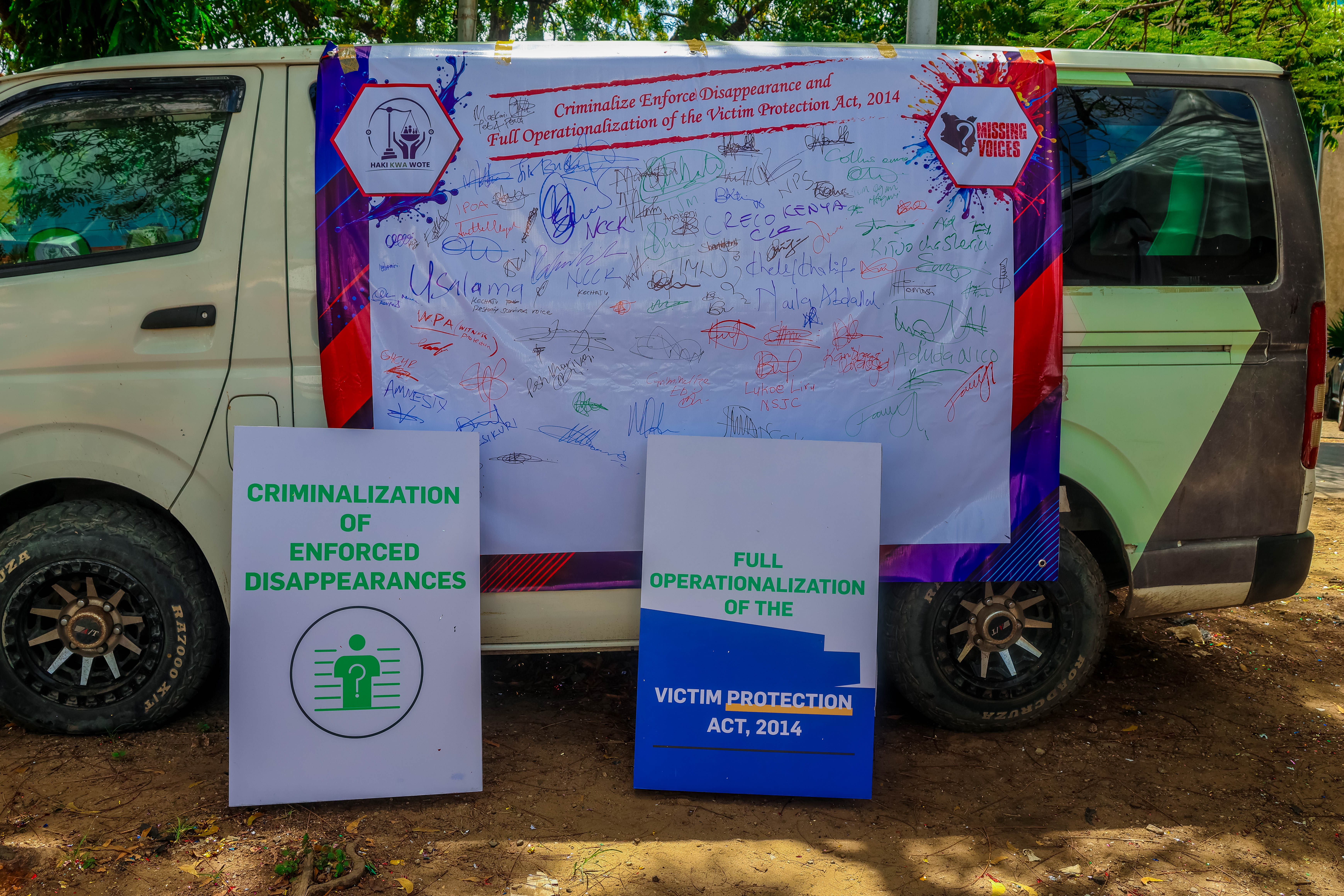 Missing Voices and its partners argue that Kenya cannot effectively prevent and respond to enforced disappearances without closing the existing legal and institutional gaps.
Kenya signed the International Convention for the Protection of All Persons from Enforced Disappearance in 2007 but has yet to ratify it. The country also does not have dedicated legislation criminalising enforced disappearance.
Through Haki Kwa Wote, campaigners are seeking to change this.
A key component of the campaign is a national petition calling for government action on victim protection, including the resourcing of the Victim Protection Board and operationalisation of the Victim Protection Trust Fund.
The broader objective is to ensure that the families left behind are not forgotten.
For Missing Voices, accountability must encompass not only bringing perpetrators to justice but also recognising and responding to the needs of survivors and families who continue to live with the consequences of disappearance.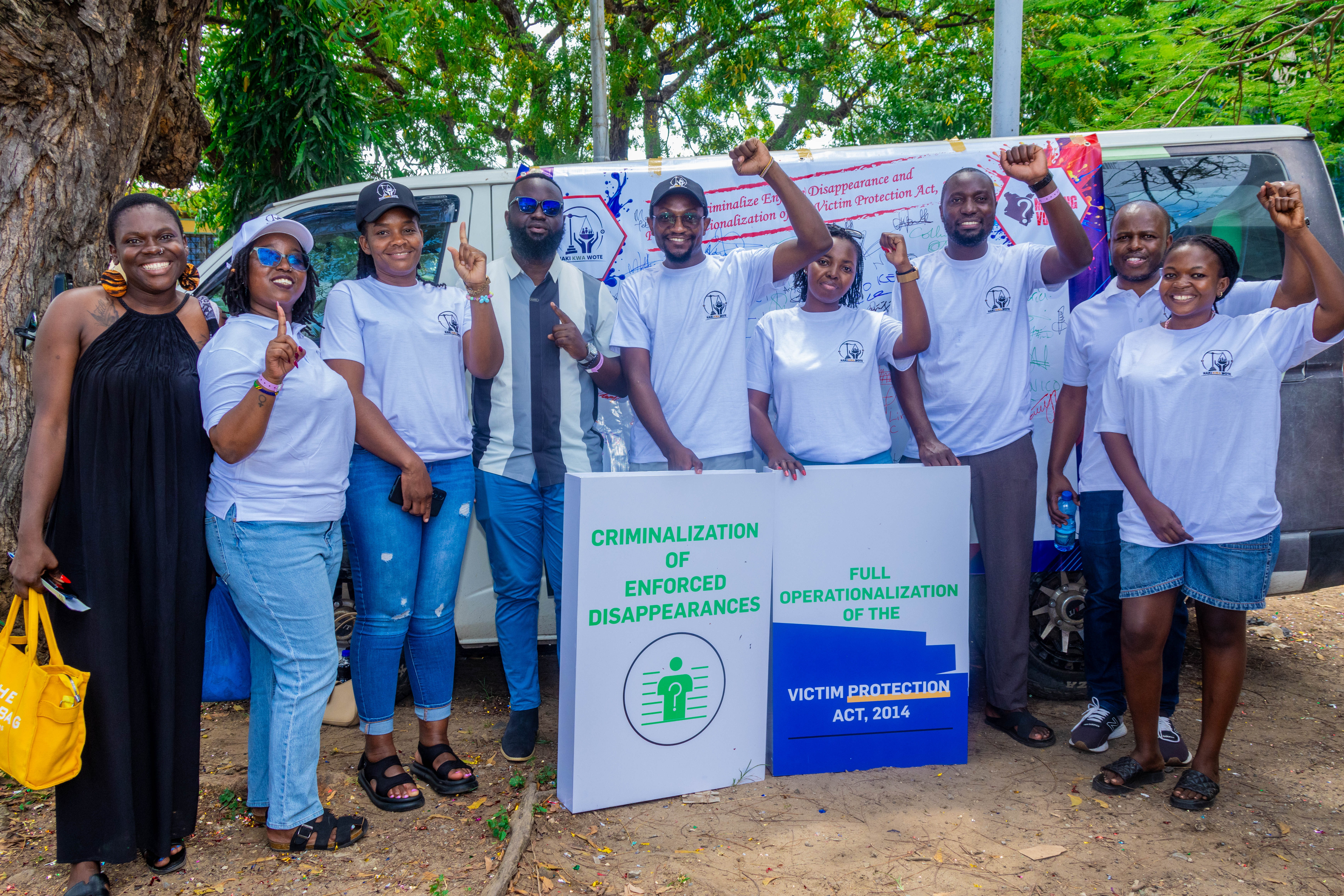
The launch of Haki Kwa Wote therefore marks the beginning of a sustained national advocacy effort — one that seeks to move Kenya from documenting disappearances and mourning victims to preventing the violations, protecting those at risk and delivering justice to those left behind.
At its core, the campaign carries a simple message: the voices of victims and their families must be heard, their rights protected and their demands for truth and justice acted upon.