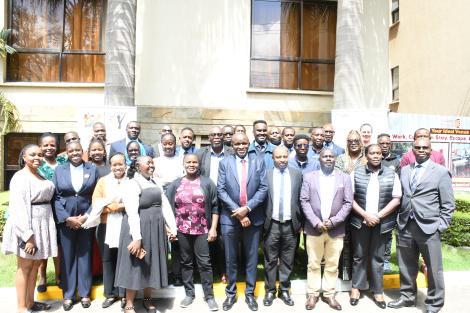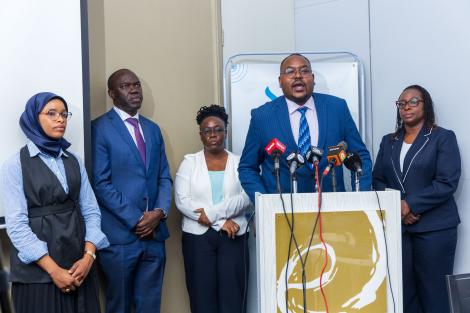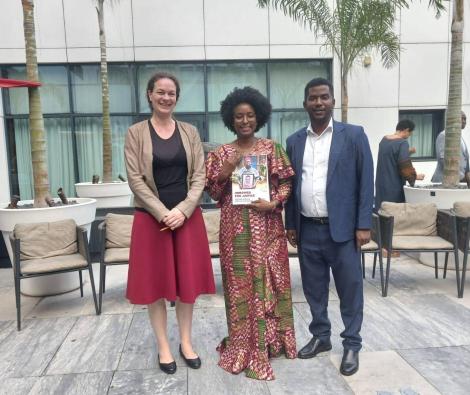
ABIDJAN - Ivory Coast - Recently, representatives of the Missing Voices Coalition, including Peace Brigades International Kenya, HAKI Africa, and the Mothers of Victims and Survivors, participated in the 139th Official Session of the United Nations Working Group on Enforced or Involuntary Disappearances in Abidjan, Ivory Coast. Their presence at the international forum was more than symbolic. It was a powerful reminder that behind every statistic on enforced disappearances and police killings lies a grieving family still searching for truth, justice, and accountability.
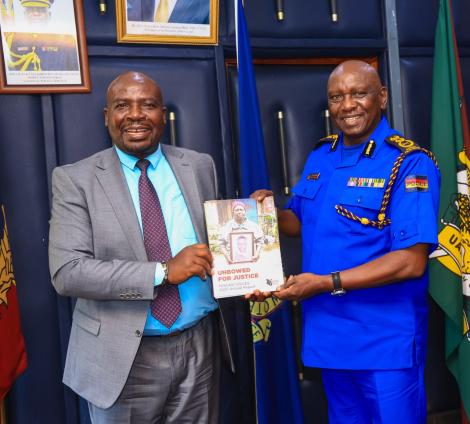
During the session, the coalition presented the African member of the Working Group, Aua Balde, with the 2025 Missing Voices report titled Unbowed for Justice. The delegation also engaged in discussions with members of the UN Working Group and prominent regional human rights leaders, including : Sow, Blaise A. Tchikaya, and Albab Tesfaye.
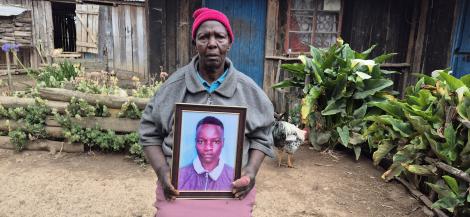
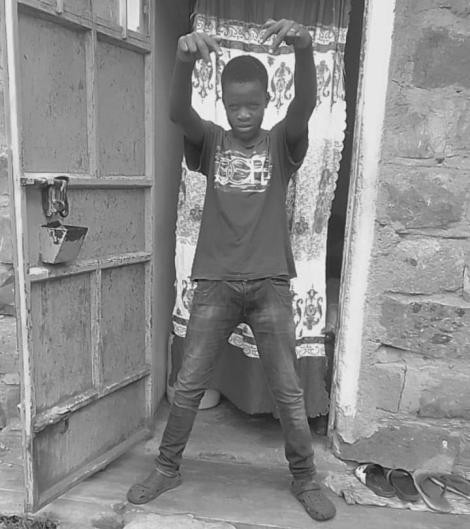
The coalition shared the painful reality facing many Kenyan families whose loved ones disappeared at the hands of state security agencies or were killed during police operations and public protests. For many families, years have passed without answers. Some continue to search morgues, police stations, and prisons, while others remain trapped in uncertainty, unable to mourn because they do not know whether their loved ones are alive or dead.
According to the Unbowed for Justice report, Missing Voices documented 131 cases of extrajudicial killings and enforced disappearances in 2025. Of these, 125 were police killings while six were enforced disappearances. Although the overall number of documented violations declined by 17.6 percent compared to 2024, the sharp rise in police killings paints a troubling picture about the continued use of excessive force by law enforcement agencies.
Police killings increased from 104 cases in 2024 to 125 in 2025, signalling that lethal policing remains deeply entrenched. Most of these killings occurred during periods of public demonstrations and political protests. June and July alone accounted for 68 deaths, representing more than half of all killings recorded during the year. The pattern reflects a longstanding reality in Kenya where protests are often met with violence instead of protection of constitutional freedoms.
At the same time, the report documented a sharp decline in enforced disappearances, dropping from 55 cases in 2024 to six in 2025. While this reduction may appear encouraging, human rights defenders caution against viewing the numbers in isolation. The absence of a specific law criminalising enforced disappearances in Kenya continues to undermine accountability efforts and leaves victims’ families without meaningful legal remedies.
Download Report: https://missingvoices.or.ke/documents/missing-voices-2025-annual-report-1610
Speaking during the session, Ms Balde noted that enforced disappearances across Africa remain significantly underreported and largely invisible despite being widespread in several countries.
She observed that the documented figures do not reflect the true scale of the crisis. Her remarks echoed concerns raised repeatedly by victims’ families and civil society groups who argue that fear, intimidation, weak reporting systems, and state denial often prevent cases from being formally documented.
The UN Working Group also acknowledged the challenges facing victims and human rights defenders across the continent. In a statement issued during the session, the experts expressed concern over persistent patterns of enforced disappearances linked to transnational repression, elections, and counter-terrorism operations. The Working Group further noted the numerous obstacles families encounter in their pursuit of truth and justice, including lack of investigations, institutional silence, intimidation, and delayed judicial processes.
Read UN Woking Group Statement: https://www.ohchr.org/en/statements-and-speeches/2026/05/working-group-enforced-or-involuntary-disappearances-concludes-its
For Kenya, the engagement at the UN session represents both recognition and warning. Recognition that local civil society organisations and victims’ movements continue to play a critical role in documenting abuses and amplifying the voices of affected families. But it is also a warning that despite constitutional protections and repeated promises of reform, police violence and enforced disappearances remain a serious human rights concern.
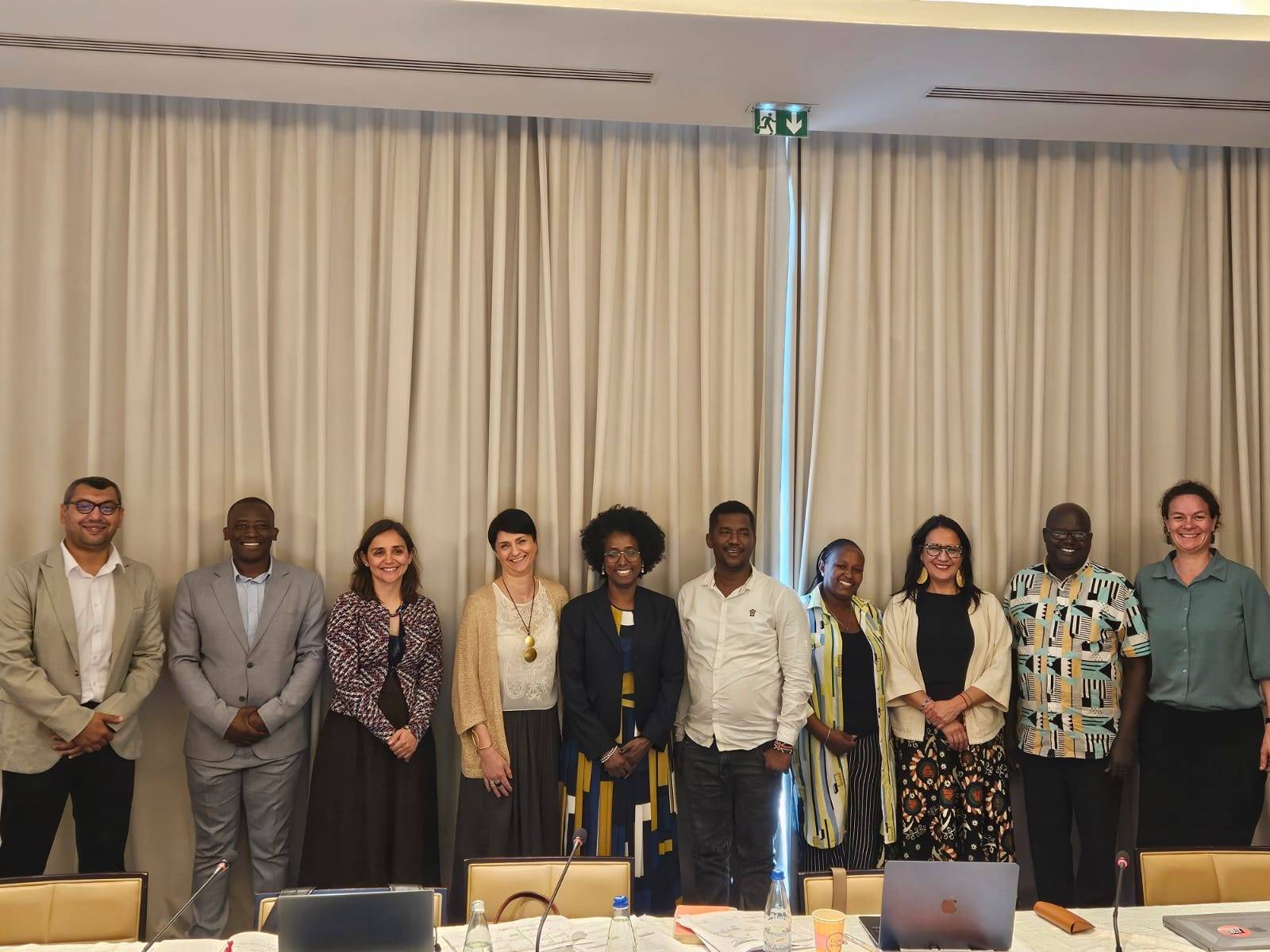
The stories carried by the Missing Voices Coalition to Abidjan were not merely about numbers. They were about mothers still waiting for sons who never came home, communities by violence, and a justice system that too often fails those most in need of protection. Their participation in the UN session ensured that these stories were heard on an international stage and reaffirmed that the demand for accountability will not disappear, even when victims do.

The 140th Session of the UN Working Group on Enforced or Involuntary Disappearances is scheduled to take place from 14 to 23 September 2026 in Geneva, where human rights defenders and victims’ families are expected to continue pushing for stronger protections, legal reforms, and accountability mechanisms across Africa.